
Over time, some things in a home start to look old, become less functional, or become unsuitable for daily needs. Kitchen cabinets may lack storage, bathroom fixtures may feel outdated, flooring may look worn, lighting may no longer be sufficient for every corner, and doors, windows, or wall surfaces may also need improvement. In such cases, the purpose of a home upgrade is not just to give the house a new look, but to make the existing space more functional, comfortable, and easy to use. DecoradHouse Upgrade Tips by DecoratorAdvice focuses on home upgrades that make a difference in the actual living experience. In my experience, upgrade planning should always start with the current condition of the home. Instead of replacing something that is working properly just for the sake of change, it is better to work on areas where functionality, comfort, or space usage can be improved.
Start With the Upgrades Your Home Actually Needs
Before starting a home upgrade, it is useful to check the entire house practically. Look at each room and see which things only look old and which ones are actually creating problems. For example, if the kitchen cabinets look old but the storage and doors are working properly, replacing all the cabinets is not necessary. They can also be upgraded by improving their finish and handles. However, if there is limited usable space inside the cabinets, the shelves are not practical, or the doors do not close properly, functional changes are needed. Similarly, check the floors, walls, lighting, switches, storage, and fixtures separately. With this approach, an upgrade does not remain just a visual change. Every improvement has a clear reason behind it.
Upgrade the Kitchen for Better Daily Use
The kitchen is one of those areas of the home where a functional upgrade is most noticeable. If there is not enough counter space while cooking, items do not fit properly in the cabinets, or frequently used things are kept in difficult-to-reach places, daily kitchen use becomes uncomfortable.
- Check the Space: Identify areas where storage or counter space is limited.
- Organize Cabinets: Keep daily-use items within easy reach.
- Clear the Counter: Remove unnecessary appliances to create more workspace.
- Refresh Cabinets: Replace old handles or update cabinet surfaces.
- Improve Lighting: Add better lighting around cooking and work areas.
- Organize the Sink: Keep cleaning essentials nearby and easy to access.
- Test the Routine: Make sure cooking and cleaning feel easier after the upgrades.
A kitchen upgrade is successful when movement feels natural and convenient, from starting to cook to completing the cleaning.
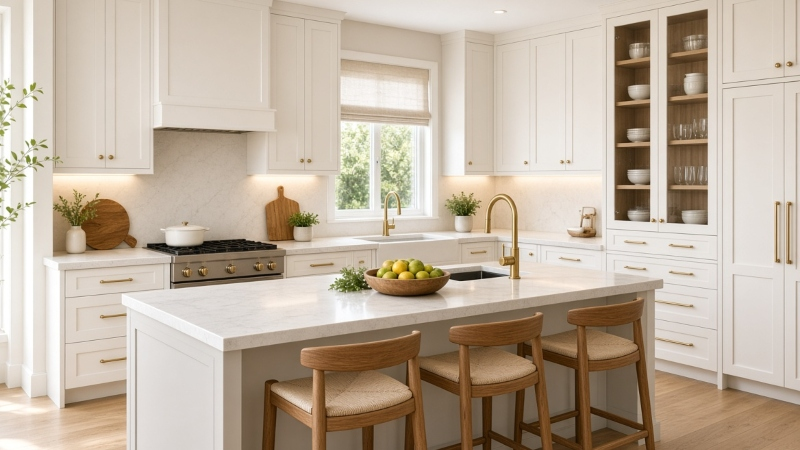
Give the Bathroom a Functional Upgrade
A bathroom upgrade should not be limited to tiles and appearance. Water use, storage, lighting, and fixtures in this room all affect the daily routine. First, check the current condition of the sink, taps, shower area, and storage. Improving old or difficult-to-use fixtures can give the bathroom a practical upgrade. If there is proper storage for personal care items around the sink, the surface can also be kept free from unnecessary clutter.
Do not ignore lighting when upgrading the mirror area. Clear lighting makes daily bathroom use easier. Keeping towels and regularly used items in fixed places also keeps the space organized. If the bathroom is small, using the available wall space may be better than adding bulky storage. The goal of an upgrade should not be to make the available area even tighter, but to make better use of the existing space.
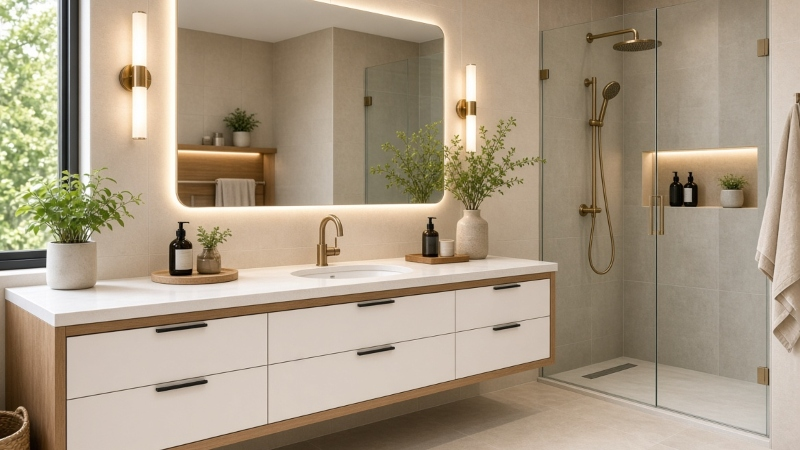
Replace or Improve Worn Flooring
Flooring directly affects the use and appearance of an entire room. Ignoring worn, damaged, or difficult-to-maintain flooring can make other upgrades feel incomplete as well. When deciding on a floor upgrade, consider the use of the room first. The needs of areas such as the kitchen and bathroom are different from those of a bedroom and living room. Therefore, forcing the same flooring look throughout the entire house is not always practical. In my experience, when selecting flooring, cleaning and daily movement should be given importance alongside appearance. A floor that looks good but is difficult to manage during regular use is not an ideal choice for a long-term upgrade. If the existing flooring is generally fine and only a few sections are creating problems, first evaluate whether complete replacement is necessary or whether a targeted improvement would be enough.
Refresh Walls Where They Need Attention
Walls are large visible surfaces in a home, so worn finishes, marks, cracks, or uneven areas can make a room feel old. The first step in a wall upgrade should be to improve the condition of the surface. Simply applying fresh paint is not the solution to every wall problem. If the surface is uneven or a section needs repair, it is better to address that issue before finishing. In the approach of DecoradHouse Upgrade Tips by DecoratorAdvice, it is important to connect wall upgrades with the overall use of the room. Keeping walls easy to maintain in busy areas is useful, while simple finishes in the bedroom can create a peaceful appearance. Adding extra panels, shelves, or decorations to every wall is not necessary. Sometimes, a clean surface and proper finish provide the upgrade a room needs.
Improve Lighting According to Each Space
A lighting upgrade can change the experience of the entire home. One common problem is that a room has lighting, but it is not suitable for the actual activity. Kitchen work areas need clear lighting, visibility around the bathroom mirror is important, and softer lighting may feel more comfortable in the bedroom. Different activities take place in the living area, so a single central light does not properly cover every need. Consider natural light as part of the home upgrade as well. Keep the arrangement around windows in a way that does not unnecessarily block the available daylight. Where dark corners make regular use difficult, adding a suitable lighting point can be a more meaningful upgrade than decoration.
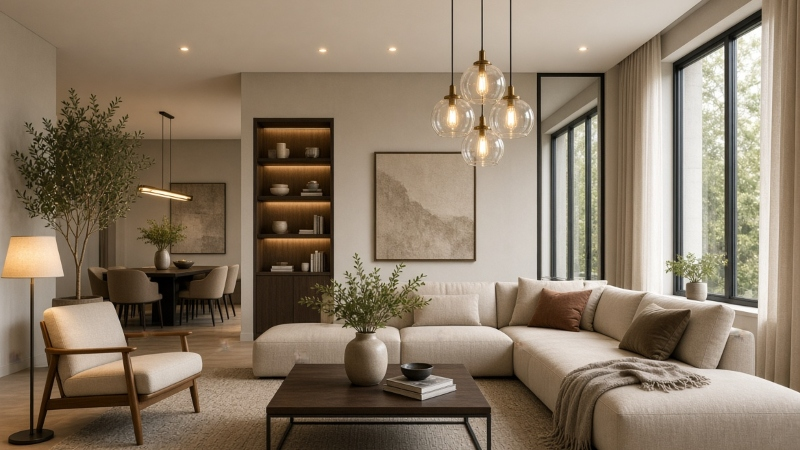
Review Electrical Points During an Upgrade
With modern home use, electrical access has become important because of different devices and appliances. If sockets are in inconvenient locations, extension wires and visible cables can become daily problems. During a home upgrade, it is useful to consider the actual placement of devices in each room. Charging needs in the bedroom, entertainment devices in the living area, and appliance use in the kitchen should be planned in advance. Electrical work should not be changed casually just for visual improvement. Where actual work is required on wiring, sockets, or electrical fittings, safe and suitable installation must be given priority. The benefit of good planning is that once the room is complete, awkward temporary solutions are not needed to adjust cables and appliances.
Upgrade Doors and Windows
Doors and windows are part of daily use, but they are often considered at the end of a home upgrade. If a door does not close properly, the handle is uncomfortable, or a window is difficult to operate, the functionality of the room is directly affected. In DecoradHouse Upgrade Tips by DecoratorAdvice, doors and windows should not be viewed only from the perspective of appearance. Check the hinges, handles, frames, and opening systems. If the basic structure is fine, improvements may be possible through small repairs and finishing. Giving extra attention to the main entrance door is useful because it is part of both regular use and the home’s first impression. Keep the arrangement around windows in a way that does not make opening and cleaning difficult. Maintaining practical access is just as important as attractive finishing.
Add Storage Where Clutter Actually Builds Up
A storage upgrade does not mean building a cabinet on every empty wall. Storage is useful where daily items naturally collect. There should be suitable storage for shoes and keys at the entrance, cookware and food-related items in the kitchen, toiletries in the bathroom, and clothes in the bedroom. According to DecoradHouse Upgrade Tips by DecoratorAdvice, built-in or space-saving storage is more useful when it makes an existing unused area functional without disturbing movement in the room. The area under the bed, wall niches, internal cabinet sections, and awkward corners can be evaluated carefully. However, removing unnecessary belongings before adding storage is also important. Otherwise, the extra storage will become full again after some time.
Make the Living Room More Functional
In a living room upgrade, flooring, lighting, storage, and furniture placement work together. Simply replacing furniture is not a complete upgrade. First, check the movement path. Movement from the entrance to the seating area and other parts of the room should remain easy. If large furniture is covering unnecessary space, improving the layout can make the room better without structural changes. Keep a proper arrangement for cables and devices in the entertainment area. If the room needs storage, choose a solution that does not unnecessarily reduce the floor area. After a living room upgrade, the space should feel open, usable, and comfortable rather than filled with new items.
Upgrade the Bedroom Around Comfort and Use
Bedroom upgrades should support personal routines. Considering bed placement, wardrobe access, lighting, charging points, and storage together gives better results. If the internal layout of the wardrobe is not practical, changing only its exterior will not solve the problem. Improving shelves, hanging space, and the accessibility of frequently used clothes is a real upgrade. Bedside lighting and accessible electrical points can make the nighttime routine easier. The condition of the flooring and walls also affects the overall comfort of the bedroom. When upgrading the bedroom, it is useful to avoid unnecessary additions. The space should remain comfortable, and daily movement should not be restricted.
Improve the Entrance and Outdoor Areas
Home upgrading does not end at the front door. The entrance, balcony, patio, or available outdoor area is also part of the property’s daily experience. If the entrance flooring is worn, improve it. Check the door hardware, lighting, and necessary storage. In the outdoor area, identify damaged surfaces, poor lighting, or unused corners. If seating is actually needed, arrange it according to the available area. Do not fill the outdoor space so much that walking and regular cleaning become difficult. Plants or decorative additions come later. Improving the surface, lighting, access, and usability first makes the outdoor upgrade more complete.
Upgrade One Area Before Moving to the Next
When problems throughout the house become visible at once, the idea of changing everything immediately can seem attractive. However, a room-by-room approach can provide a more controlled result. When practically using DecoradHouse Upgrade Tips by DecoratorAdvice, first identify high-use and problem areas. If the kitchen is creating daily difficulties, it should be prioritized over visual changes in the living room. Similarly, a leaking or poorly functioning bathroom fixture is more important than cosmetic wall changes. Solve the functional problems in one area, complete the finishing, and then move to the next section. This keeps the purpose of each upgrade clear and makes it easier to control unnecessary changes.
Final Verdict
The result of a successful home upgrade should not be limited to a new appearance. Real improvement becomes noticeable.when the kitchen is easier to use, the bathroom is properly organized, the floors are suitable for daily routines, the lighting covers the required areas, and storage helps control clutter. DecoradHouse Upgrade Tips by DecoratorAdvice focuses on this practical approach. Evaluate every room in the home according to its actual condition and daily use.
For more information and suggestions, Contact Us.